Cloning a voice takes minutes. Deciding whether to use one — and how to do it without misleading the people listening — takes longer. Most of the problems that end in a complaint or a headline come from small, rushed choices: a sponsor read recorded at midnight in a voice the host never actually spoke, a training module refreshed with a departed employee's narration, a "personal" welcome message sent to ten thousand customers. The audio sounds fine. The trouble is everything around it.
That is the part worth slowing down for. What follows is a working checklist: the questions to answer, the records to keep, and the moments when the right move is to walk away.
Two tests that catch most bad ideas
Before contracts and before software, apply two tests.
The consent test. Would the person whose voice this is feel comfortable hearing it in this exact context — this script, this audience, this claim? Not "would they sign a form," but would they nod if they heard the finished file?
The discovery test. If a listener found out tomorrow that the voice was synthetic, would they feel informed or tricked? If the honest answer is tricked, no disclosure line at the end of the episode will rescue the project. Fix the concept, not the label.
Four decisions to make before you record anything
- Whose voice, and why that one. A voice is not a generic asset you can swap in because booking the real person was inconvenient. If your reasoning is "it was easier than scheduling them," re-record instead.
- What the voice is allowed to say. Approve categories, not just scripts. "Any sponsor copy we send you" is not consent. "The three ad reads attached to this agreement, for twelve months" is.
- Where it will appear. Podcast feed, YouTube pre-roll, trade show loop, internal onboarding. Each carries different expectations. Consent for internal training rarely stretches to paid media.
- How it stops. A date, a named person, and a switch. If nobody can turn it off on a Tuesday afternoon, you do not have a plan — you have an incident waiting for a reason.
The pre-flight checklist
- Written consent, signed, scoped to specific uses and a specific end date.
- A record of the source audio: who recorded it, where it is stored, who can access it.
- Script approval before synthesis, every time — not a blanket approval from last year.
- A disclosure line that names the relationship, not just the technology.
- A dated copy of everything you published, kept somewhere you can find it in two years.
- An owner inside your team, with the expiry date in a shared calendar.
- A takedown path: how someone asks you to stop, and how quickly you can actually comply.
- Separate sign-off for anything resembling an endorsement or personal recommendation. Advertising regulators treat those as a heavier category, because listeners hear them as a human vouching for something.
Disclosure that doesn't wreck the listening experience
Put it up front, once, in the listener's language. A line at the top of an ad break works better than a whisper under the outro music, where it sounds like something you would rather not say.
This read was voiced by a synthetic version of Elena's voice, with her permission.
That sentence does three jobs: it identifies the voice, it identifies the relationship, and it shows the person agreed. Compare it with "this content was generated using advanced technology," which tells the listener nothing they can act on.
For a recurring show, one spoken line in the intro of each episode is plenty, plus a permanent note in the show notes so the archive stays covered. On video, a small lower-third during the synthetic segment. In training modules, a label on the slide and a line in the introductory screen.
One hard rule: never build a synthetic customer testimonial. Endorsements have to come from real people who actually hold the opinion. That is a different category of problem, and no disclosure fixes it.
Where the rules get murky
Many jurisdictions treat a person's voice as a protected interest under right-of-publicity or personality-rights law, and in some places those protections continue after death, managed by estates. Advertising rules generally require endorsements to be genuine and disclosures to be clear. A growing number of places require synthetic media to be labelled. Contracts, meanwhile, do most of the daily work: what you agreed to, with whom, for how long.
Two practical points. Check the rules where your audience lives, not only where you record — an ad heard in three countries is subject to more than one set of expectations. And before you launch a campaign built on someone else's voice, get advice for your situation from a qualified lawyer. This article is a starting checklist, not legal advice.
Five times to say no
- A celebrity or public figure's voice you have no rights to, however funny the concept.
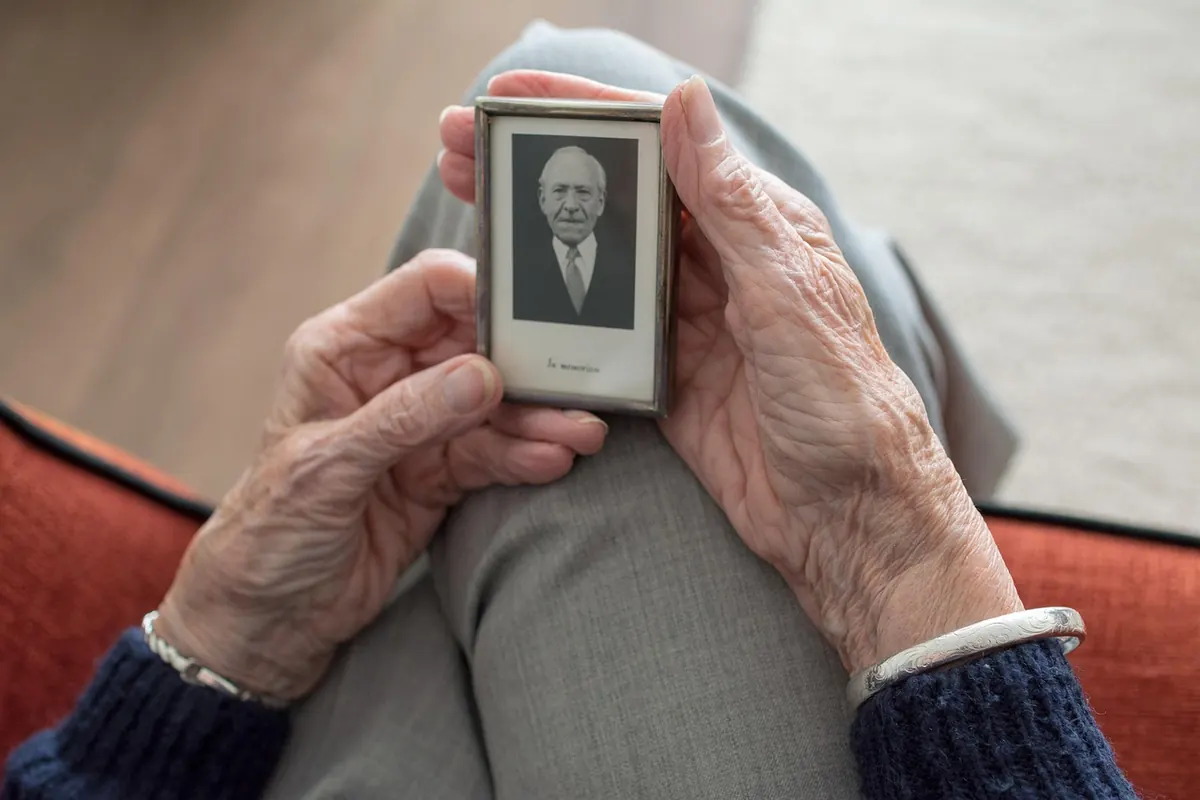
- A deceased person's voice without clear permission from whoever holds those rights — and even then, ask whether the audience would accept it.
- Political or advocacy content in someone else's voice.
- Health, financial or legal claims, where the stakes for a misled listener are high.
- Anyone who has withdrawn consent, or whose agreement has quietly expired while the file is still on your drive.
A thirty-minute routine before your next voice project
Write one sentence naming whose voice you are using and why. Check that the signed consent covers this exact use, this platform, this period. Draft your disclosure line and read it aloud to hear whether it sounds honest. Put the expiry date in a calendar with a person's name next to it. Ask who would pull the audio today if the voice owner called and asked you to stop. Save a dated copy of the final file and the script it read from.
Thirty minutes, one page, one signature. The voice itself is the easy part. The permission is the product.
Photo: Pexels / Pixabay